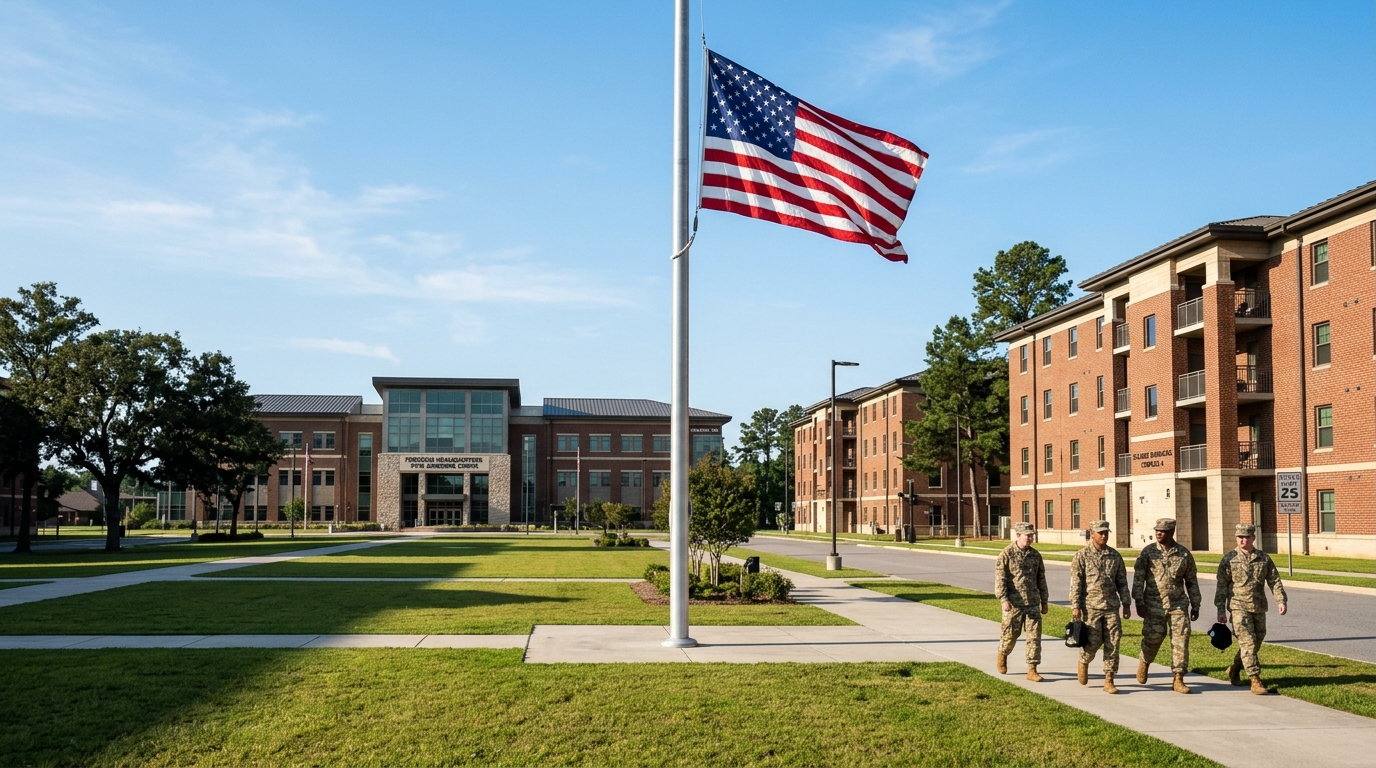
In an aggressive high-profile push to confront systemic housing neglect across the armed forces, Defense Secretary Pete Hegseth appointed Marine Corps veteran and Medal of Honor recipient Dakota Meyer as a senior advisor to the Pentagon's Barracks Task Force.
Meyer's mission is direct: personally travel the country, conduct unannounced walkthroughs of residential barracks across Army, Navy, Air Force, and Marine Corps bases, host direct town halls with junior enlisted troops, and hold military leadership and commercial privatized housing contractors accountable.
Shocking Findings Across Military Installations
After touring more than eight major military installations in his initial inspection cycle, Meyer delivered blistering public assessments of what he characterized as "heartbreaking" living conditions:
- One Year Without Hot Running Water: Troops at multiple installations reported enduring up to twelve consecutive months without consistent hot water for personal hygiene.
- Sleeping in Vehicles to Escape Heat: During peak summer heatwaves, service members were found sleeping in their personal cars with engines running because barracks air conditioning systems had failed without timely commercial contractor response.
- Pervasive Toxic Mold & Broken Security Locks: Unresolved black mold infestations in bathrooms and sleeping quarters, alongside broken exterior and interior door locks compromising service member personal safety and privacy.
- Troops Begging for Basic Drywall & Paint: Rather than waiting for backlogged military public works departments, junior troops frequently request basic spackle, drywall, and paint to repair dilapidated rooms with their own labor.
Privatized Military Housing and Civilian Parallels
Under the Military Housing Privatization Initiative (MHPI), much of the housing infrastructure on domestic military bases is operated by private commercial property management corporations.
When commercial property managers fail to remediate hazardous living conditions—such as raw sewage backups, toxic mold, and structural decay—tenants in both military privatized housing and standard civilian apartments possess distinct statutory rights:
- Right to Written Demand and Notice to Cure: Serving a formal, certified habitability demand creates an official evidentiary record that starts statutory compliance countdowns.
- Repair-and-Deduct Remedies: Under state civil codes (e.g., Cal. Civ. Code § 1942, Tex. Prop. Code § 92.056), tenants who provide written notice of health-hazard defects can legally deduct repair expenses from ongoing rent if landlords fail to act.
- Rent Abatement & Small Claims Recovery: Tenants can sue in local Small Claims Court to recover rent paid for periods where the home was legally uninhabitable.
Living with Unresolved Mold, Leaks, or Broken Heat?
Don't rely on phone calls or portal tickets that get ignored. Serve your landlord with an attorney-grade Certified Demand for Repair under state habitability codes to compel remediation or prepare small claims damages.
Draft Landlord Repair Demand Letter →What Comes Next for the Pentagon Task Force?
Meyer announced that his inspection tour will expand to 30 military installations nationwide by the end of the year, with comprehensive findings delivered directly to Defense Department senior leadership to mandate immediate reallocation of facility maintenance funding and hold commercial contractor consortiums accountable.