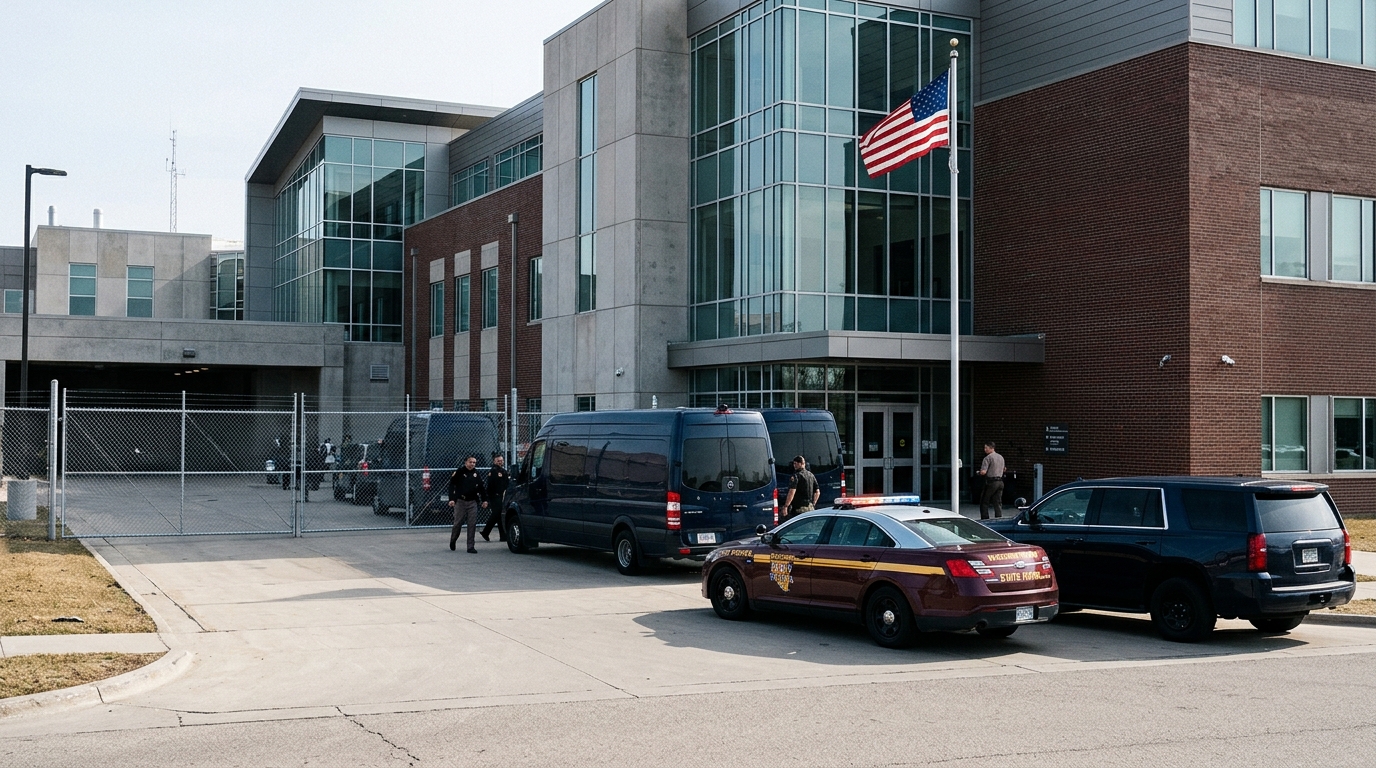
In a case that quickly reverberated through statehouses and federal law enforcement circles, Carel Aaron Van Der Merwe, a 21-year-old sworn officer with the Wisconsin State Patrol, was detained by agents from U.S. Immigration and Customs Enforcement (ICE) at Dane County Regional Airport in Madison while awaiting a domestic commercial flight.
Following urgent intervention by federal lawmakers and state officials, Van Der Merwe was formally released from an immigration detention facility in Dodge County under an Order of Supervision, allowing him to return home while legal proceedings continue.
The Legal Controversy: Valid Work Authorization vs. Visa Overstay
The central legal friction in the case hinges on competing administrative interpretations:
- The State Trooper's Legal Position: According to his legal defense team, Van Der Merwe entered the United States lawfully as a minor alongside his family, holds a pending asylum application, and possessed a valid, federally issued Employment Authorization Document (EAD) granted under Department of Homeland Security regulations. This federal work permit enabled him to pass state background checks, graduate from the Wisconsin State Patrol Academy, and carry out sworn law enforcement duties.
- DHS Administrative Position: Federal immigration authorities contended that although he entered lawfully in 2019, he had technically overstayed the duration of permitted admission, triggering administrative removal processing.
What Does an "Order of Supervision" Mean?
Van Der Merwe was released under an administrative Order of Supervision (Form I-220B). Under federal immigration statutes, this status provides temporary lawful presence in the community subject to specific conditions:
- Periodic reporting check-ins with local ICE Enforcement and Removal Operations (ERO) field officers;
- Electronic compliance monitoring (where designated);
- The statutory right to appear before an Immigration Judge to present asylum petitions or adjustment of status applications without being subjected to continuous physical incarceration.
Facing an Administrative, Wage, or Civil Rights Dispute?
Whether resolving improper employer wage withholding, wrongful lease termination, or commercial breach, establishing a clear written record through a certified legal demand notice is the fundamental first step in protecting your due process rights.
Draft Free Legal Demand Letter →Key Legal Takeaways for Workers and State Employees
The Wisconsin case highlights critical statutory principles for employees and independent contractors:
- The Primacy of Written Documentation: Maintaining verified, unexpired copies of work authorization receipts, state licenses, and statutory notices is essential when administrative agencies conduct compliance audits.
- Procedural Timelines Matter: Every civil dispute and administrative procedure has strict filing deadlines. Missing an answer date or hearing can forfeit critical constitutional remedies.